AI Chatbots for Customer Service: Benefits, Examples, and How They Work
AI chatbots for customer service

Customer service can have a major impact on whether people choose to do business with a company.
Customers want answers.
They want those answers quickly.
They also want convenient ways to communicate with businesses.
For many small businesses, meeting these expectations can be difficult.
Employees may already be answering telephone calls, responding to emails, processing orders, assisting customers, scheduling appointments, and handling other responsibilities.
Adding more employees can be expensive.
Ignoring customer questions can cost businesses sales.
AI chatbots provide another option.
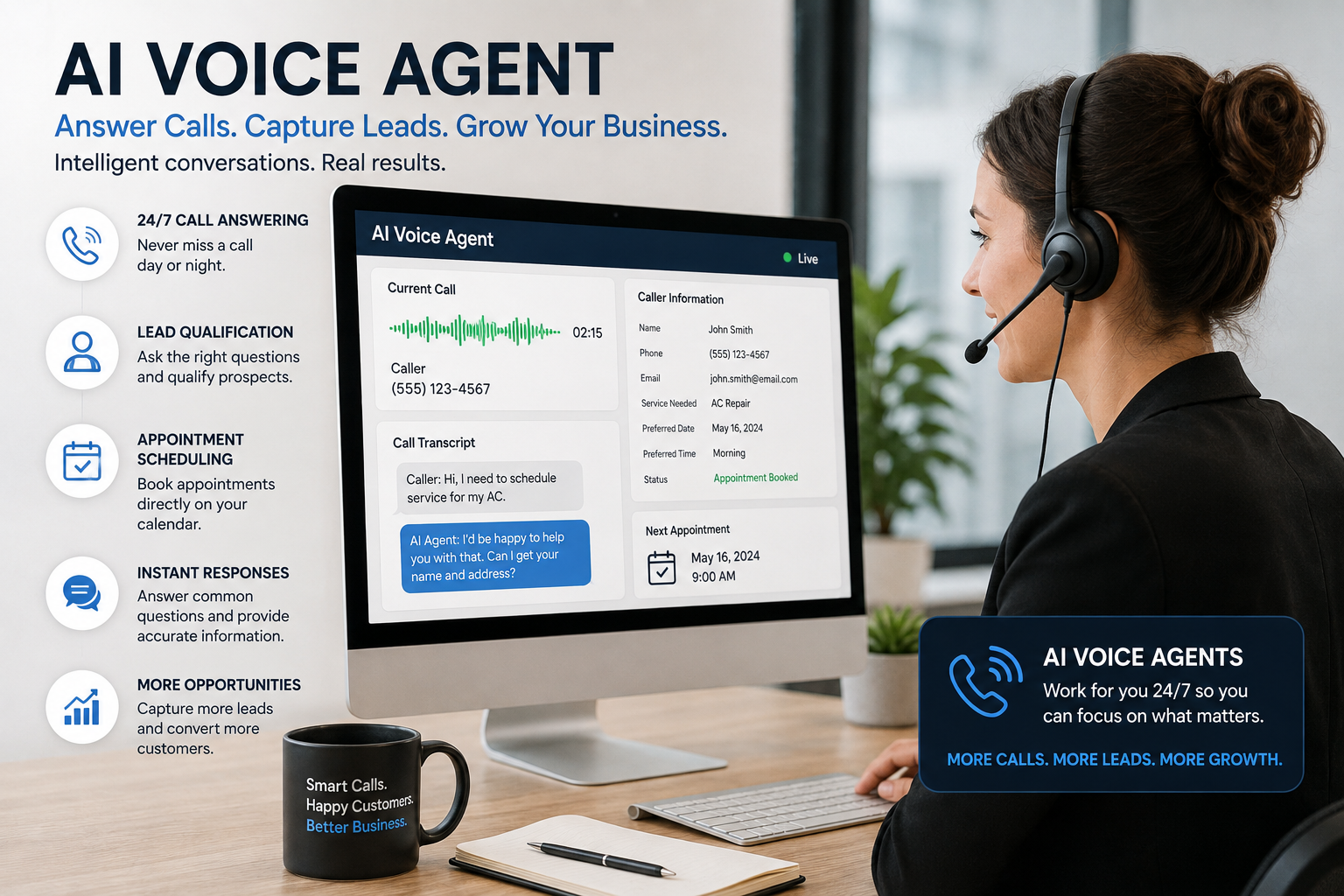
An AI chatbot can communicate with website visitors, answer frequently asked questions, provide information, collect customer details, and help customers find the resources they need.
Unlike traditional customer service channels, an AI chatbot can potentially provide assistance 24 hours a day.
However, AI chatbots are not appropriate for every customer interaction.
Understanding what they can do, what they cannot do, and how they should be implemented is essential for businesses considering AI-powered customer service.
This guide explains how AI chatbots for customer service work, their benefits, practical applications, and what businesses should consider before adding one to their website.
What Is an AI Customer Service Chatbot?
An AI customer service chatbot is software that uses artificial intelligence to communicate with customers.
The chatbot may appear as a chat window on a website, application, or other digital platform.
Customers can ask questions by typing messages.
The chatbot analyzes the questions and provides responses.
Depending on how the system is designed, an AI customer service chatbot may be able to:
- Answer frequently asked questions
- Explain products and services
- Provide business information
- Help customers find website pages
- Assist with basic troubleshooting
- Collect customer information
- Direct customers to appropriate departments
- Help schedule appointments
- Provide order information
- Transfer conversations to employees
The purpose of the chatbot is to make customer communication faster and more convenient.
How Do AI Customer Service Chatbots Work?
AI chatbots can use technologies such as artificial intelligence and natural language processing to understand customer questions.
Traditional chatbots often depend on predetermined conversation paths.
For example, a customer might select:
“Press 1 for business hours.”
“Press 2 for product information.”
“Press 3 to contact customer service.”
Modern AI chatbots can provide a more conversational experience.
Instead of selecting from a limited number of options, customers may be able to type questions naturally.
For example:
“Are you open on Saturdays?”
“Do you provide services in my city?”
“Which product is right for my business?”
“How can I schedule an appointment?”
The chatbot analyzes the question and attempts to provide a relevant response based on available business information.
Why Are Businesses Using AI Chatbots for Customer Service?
Customer expectations have changed.
People are accustomed to finding information quickly online.
When customers have a question, they may not want to wait several hours for an email response.
They may not want to sit on hold during a telephone call.
They may also be visiting the website when the business is closed.
AI chatbots can provide immediate assistance.
For businesses, chatbots can also automate repetitive conversations and help employees use their time more effectively.
Benefit #1: 24/7 Customer Assistance
One of the most significant benefits of AI chatbots is availability.
Employees work limited hours.
AI chatbots can continue operating during:
- Evenings
- Weekends
- Holidays
- Busy periods
- Employee breaks
A customer visiting a website at midnight may still be able to get answers to routine questions.
The chatbot may also collect information for an employee to review later.
This does not mean that every customer problem can be solved automatically.
However, providing some assistance immediately may create a better experience than requiring the customer to wait until the business reopens.
Benefit #2: Faster Response Times
Customers generally do not enjoy waiting.
When customer service representatives are busy, telephone hold times can increase.
Emails may remain unanswered for hours or days.
Live chat customers may wait for an available representative.
AI chatbots can respond almost immediately.
For simple questions, customers may receive the information they need within seconds.
Faster responses can make it easier for customers to interact with a business.
Benefit #3: Reduced Repetitive Work
Many customer service departments answer the same questions repeatedly.
Examples include:
“What are your business hours?”
“Where are you located?”
“How much does your service cost?”
“How do I schedule an appointment?”
“What is your return policy?”
“Do you provide services in my area?”
“Where can I find this product?”
Employees may spend hours answering questions that could be automated.
An AI chatbot can handle many routine inquiries.
This can allow employees to focus on customer situations that require experience, judgment, or personal attention.
Benefit #4: Consistent Customer Service
Different employees may provide slightly different answers to the same question.
An AI chatbot can provide consistent information based on approved business content.
This can be particularly useful for questions involving:
- Company policies
- Product information
- Service descriptions
- Business hours
- Locations
- Procedures
Consistency can help reduce customer confusion.
However, the chatbot's information must be accurate and regularly updated.
An AI chatbot that consistently provides outdated information does not improve customer service.
Benefit #5: Helping Multiple Customers at the Same Time
Employees can only handle a limited number of customer conversations simultaneously.
During busy periods, customers may have to wait.
An AI chatbot can communicate with multiple website visitors at the same time.
One customer may be asking about business hours.
Another may need information about a product.
Another may want to request an appointment.
The chatbot can assist each visitor without requiring them to wait for another conversation to end.
This ability can help businesses manage increases in customer inquiries.
Benefit #6: Lower Customer Service Costs
Hiring, training, and managing additional customer service employees can be expensive.
AI chatbots can automate some customer service tasks.
This does not necessarily mean replacing employees.
Instead, businesses can use chatbots to handle repetitive conversations while employees focus on more complicated issues.
The potential cost savings depend on:
- Number of customer inquiries
- Types of questions
- Employee costs
- Chatbot development costs
- Ongoing technology expenses
Businesses should compare the chatbot's cost with the value of the time and resources it can save.
Benefit #7: Improved Lead Generation
Customer service and lead generation are often connected.
A potential customer may have questions before making a purchase.
For example:
“Do you offer this service in my area?”
“How much does it cost?”
“How long does the process take?”
“Can I schedule a consultation?”
An AI chatbot can answer questions and then encourage the visitor to take the next step.
The chatbot may collect contact information, schedule an appointment, or request additional details.
This allows customer service conversations to become lead-generation opportunities.
Examples of AI Chatbots for Customer Service
AI customer service chatbots can be used in many industries.
AI Chatbots for Home Service Companies
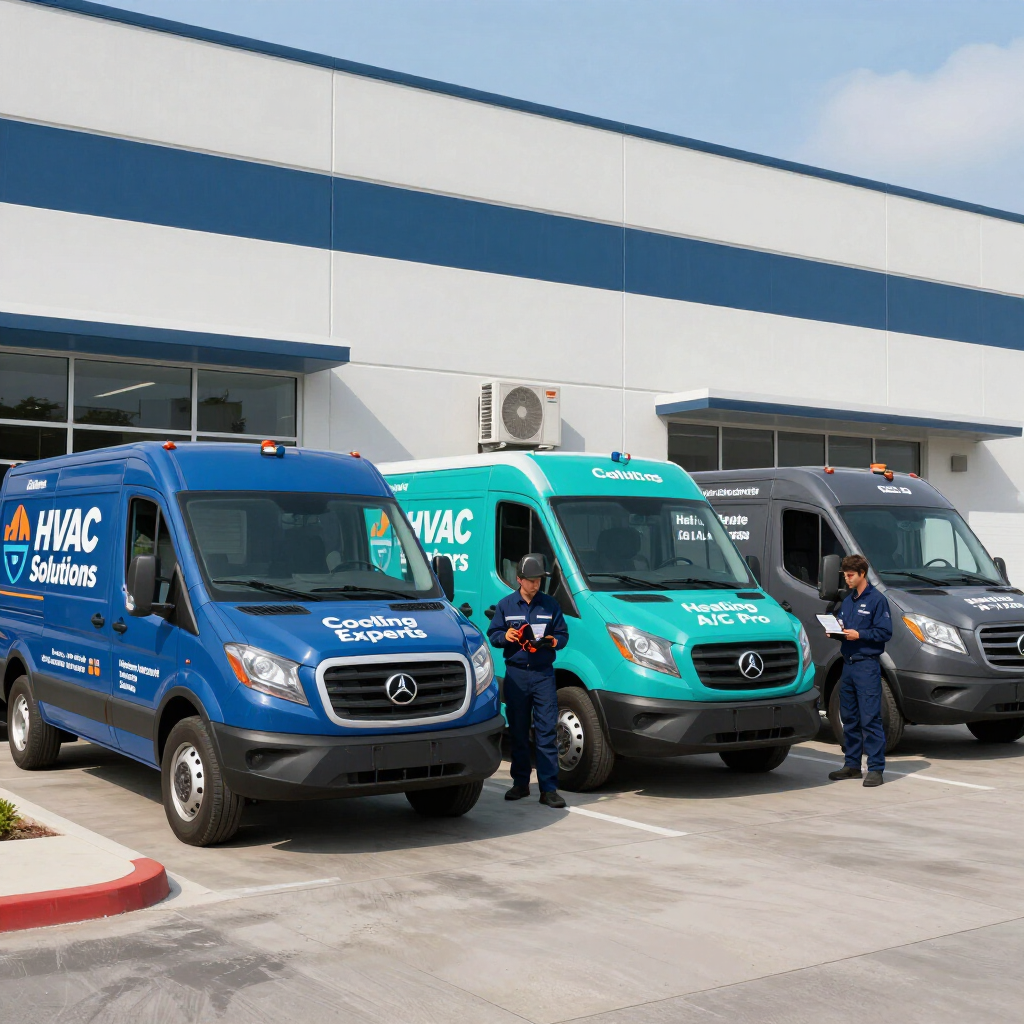
Plumbers, electricians, roofers, HVAC companies, and other home service businesses frequently receive similar customer questions.
A chatbot might ask:
“What type of service do you need?”
“Where are you located?”
“Is this an emergency?”
“When would you like an appointment?”
The chatbot can collect information and help the business respond more efficiently.
AI Chatbots for E-Commerce Businesses
Online shoppers may have questions about:
- Products
- Shipping
- Returns
- Sizes
- Availability
- Order status
An AI chatbot can provide immediate assistance and help customers find relevant information.
It may also recommend products based on customer needs.
AI Chatbots for Healthcare Practices
Healthcare practices may use chatbots for non-emergency administrative assistance.
A chatbot might:
- Provide office hours
- Explain appointment procedures
- Share location information
- Answer general administrative questions
- Assist with appointment requests
Businesses operating in regulated industries must carefully consider privacy, security, and legal requirements when implementing AI technology.
AI Chatbots for Law Firms
Potential clients often visit law firm websites looking for information.
A chatbot can collect basic information about the type of legal assistance the visitor is seeking.
It may ask:
“What type of legal matter do you need help with?”
“Where are you located?”
“Would you like someone from the firm to contact you?”
The chatbot can help organize inquiries before an employee responds.
AI Chatbots for Real Estate Businesses
Real estate companies may use chatbots to help potential buyers and sellers.
A chatbot might ask about:
- Property type
- Preferred location
- Price range
- Buying timeline
- Selling needs
This information can help real estate professionals understand the potential customer's needs.
AI Chatbots for Restaurants
Restaurants can use chatbots to provide:
- Business hours
- Location information
- Menu information
- Reservation assistance
- Answers to frequently asked questions
This can reduce the number of routine telephone calls employees must answer.
What Questions Should an AI Customer Service Chatbot Answer?
The answer depends on the business.
A good starting point is to identify the questions employees answer most frequently.
Businesses can review:
- Customer emails
- Telephone call questions
- Contact form submissions
- Live chat conversations
- Social media messages
- Frequently asked questions
This information can help identify opportunities for automation.
The chatbot should focus first on questions that are common, repetitive, and relatively straightforward.
What Should an AI Chatbot Not Handle?
AI chatbots have limitations.
Some situations should be handled by people.
Examples may include:
- Complicated customer complaints
- Sensitive personal situations
- Emergency situations
- Legal or medical advice
- Complex negotiations
- Unusual account problems
- Situations requiring exceptions to policies
Businesses should establish clear procedures for transferring conversations to employees.
Customers should not become trapped in an automated conversation when they need human assistance.
Can AI Chatbots Make Mistakes?
Yes.
AI chatbots can misunderstand questions or provide incorrect information.
This is why businesses should not simply install an AI chatbot and ignore it.
Chatbots should be:
- Properly configured
- Tested before launch
- Monitored after launch
- Updated when business information changes
- Improved based on customer conversations
Businesses should also consider safeguards that limit the types of information a chatbot can provide.
AI Chatbots vs. Human Customer Service
AI chatbots and human employees have different strengths.
AI chatbots are effective at:
- Providing immediate responses
- Handling repetitive questions
- Operating 24/7
- Communicating with multiple customers
- Collecting information
- Automating routine tasks
Human employees are effective at:
- Understanding complicated situations
- Showing empathy
- Making judgments
- Solving unusual problems
- Negotiating
- Building relationships
For many businesses, the best customer service strategy may combine both.
How AI Chatbots and Employees Can Work Together
An AI chatbot can serve as the first point of contact.
The chatbot answers routine questions and collects information.
If the customer needs additional assistance, the conversation can be transferred to an employee.
For example:
A customer asks about a service.
The chatbot explains the service.
The customer asks about availability.
The chatbot collects scheduling information.
The customer then asks for a customized price.
The conversation is transferred to an employee.
The employee can review the information already collected and continue assisting the customer.
This approach can improve efficiency without eliminating personal customer service.
How Much Does an AI Customer Service Chatbot Cost?
The cost depends on the chatbot's complexity.
Factors can include:
- Number of features
- Amount of business information
- AI technology
- Website integration
- Software integrations
- Custom development
- Maintenance
- Technical support
A simple customer service chatbot may cost significantly less than an advanced system connected to several business platforms.
Businesses should focus on the value the chatbot can provide rather than choosing a solution based entirely on price.
How to Choose an AI Customer Service Chatbot
Before selecting a chatbot, businesses should identify their goals.
Consider:
- What questions should the chatbot answer?
- When do customers need assistance?
- What tasks should be automated?
- What information should be collected?
- When should customers reach an employee?
- What systems should the chatbot connect with?
- How will performance be measured?
Clear objectives can help businesses avoid paying for unnecessary features.
How to Measure AI Chatbot Customer Service Performance
Businesses should monitor results after launching a chatbot.
Important measurements may include:
- Number of customer conversations
- Questions answered
- Response times
- Leads generated
- Appointments requested
- Conversations transferred to employees
- Customer satisfaction
- Questions the chatbot could not answer
Monitoring performance can help identify opportunities to improve customer service.
Is an AI Customer Service Chatbot Right for Your Business?
An AI chatbot may be worth considering if your business:
- Receives frequent customer questions
- Needs faster response times
- Has customers visiting the website outside business hours
- Wants to automate repetitive tasks
- Has limited customer service employees
- Wants to generate more website leads
- Needs to communicate with multiple customers simultaneously
The decision should be based on actual business needs.
Adding artificial intelligence simply because it is popular is not a strategy.
The chatbot should solve specific problems and provide measurable value.
Improve Customer Service With a Custom AI Chatbot
Customer expectations continue to change.
People want faster, easier, and more convenient ways to communicate with businesses.
AI chatbots can help companies provide immediate answers, automate routine customer service tasks, generate leads, and assist website visitors around the clock.
However, successful AI customer service requires more than adding a generic chat window to a website.
The chatbot should understand the business, provide accurate information, and help customers accomplish specific goals.
Build a Custom AI Customer Service Chatbot With Stevendev Marketing
Stevendev Marketing creates customized AI chatbot solutions designed around the needs of individual businesses.
Your chatbot can be designed to answer frequently asked questions, provide information about products and services, collect customer details, generate leads, schedule appointments, and automate routine customer service conversations.
Instead of forcing your business to adapt to a generic chatbot template, Stevendev Marketing can help create an AI chatbot based on your customers, services, goals, and business processes.
Want to improve customer service while reducing repetitive work? Contact Stevendev Marketing to discuss a customized AI customer service chatbot for your business.
Recent Posts